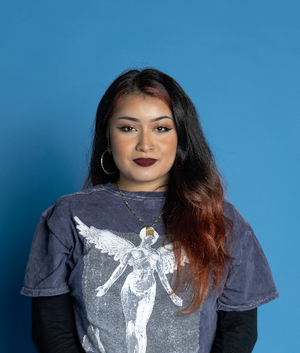
Start the Bus: Abby Tozer on Creating Your Own Opportunities
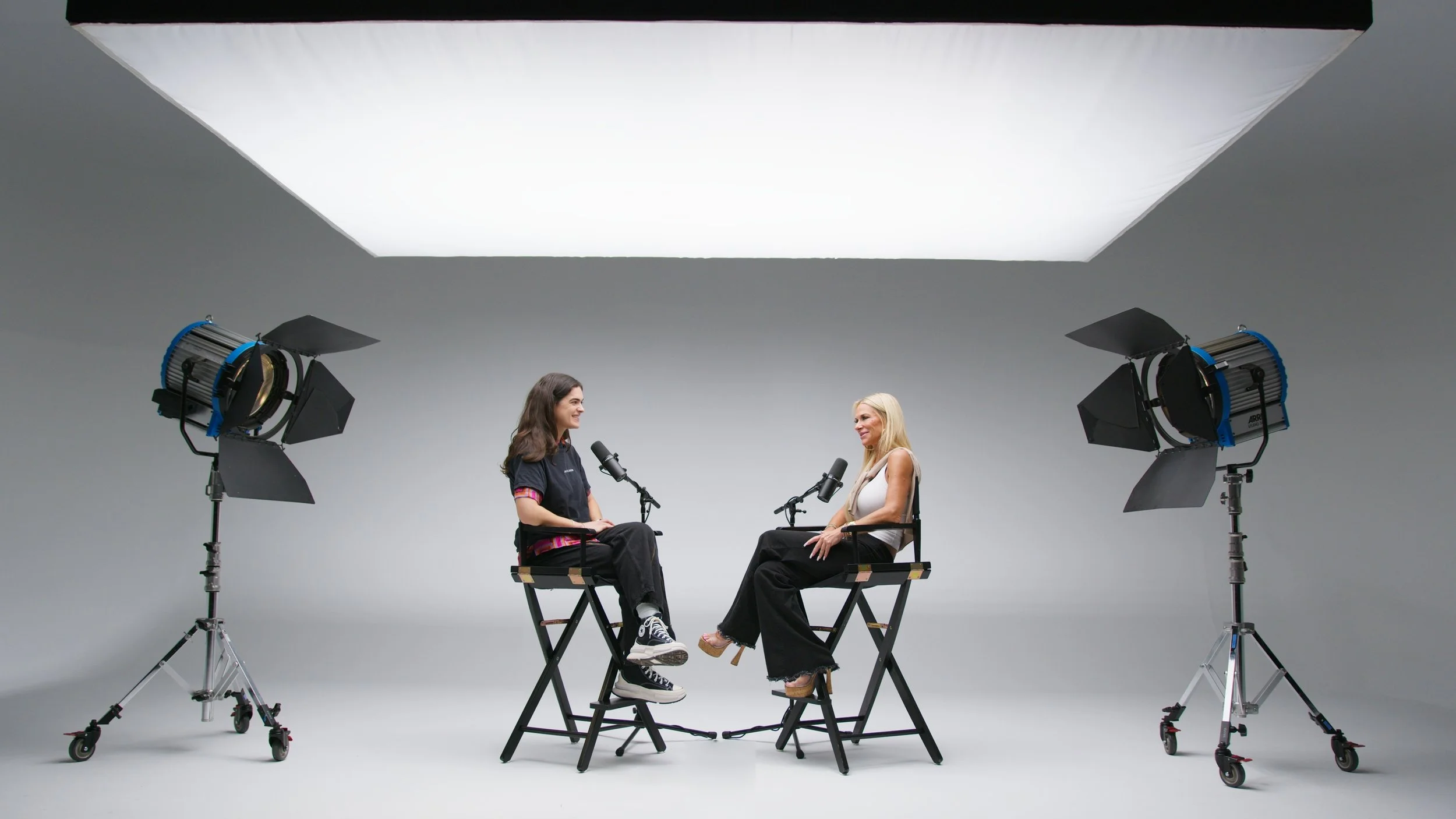
Five years ago, Abby Tozer appeared on Set Life after producing her first short film. Since then, she has directed 15 shorts, completed a television pilot, directed commercials, acted in feature films and landed a role in an upcoming Apple TV series.
Now, she is preparing to direct her first feature film, a story she began developing years before she felt fully ready to bring it to the screen.
When Abby returned for Season Five of Set Life, she shared an honest look at the persistence, relationships and hands-on experience behind that growth. Her story offers an important lesson for anyone trying to build a sustainable career in film: momentum begins when you stop waiting for someone else to give you permission.
Becoming a Multi-Hyphenate
Abby moved to Los Angeles in 2021 after graduating during the pandemic. She arrived as an actor, but quickly discovered that acting alone did not give her the creative autonomy she wanted.
“I very quickly realized that I couldn’t, and didn’t want to, just be an actor in order to succeed,” she said.
That realization led her to become a director, producer, writer and entrepreneur. She co-founded and ran a production company for three and a half years, gaining firsthand experience in hiring, managing people, serving clients, producing events, packaging projects and taking films to industry markets.
Not every experiment led to something she wanted to continue. That was part of its value.
Abby describes those early years as a season of collecting tools and trying everything she could. The experience helped her distinguish between the work she genuinely loved and the work she had simply been told to pursue or avoid.
Her advice to emerging filmmakers is practical: become a jack-of-all-trades before deciding what you want to master. Work on sets. Learn how different departments operate. Attend film festivals, even when you do not have a project screening. Introduce yourself to filmmakers whose work you genuinely admire.
You cannot know which part of the industry fits you until you have experienced it.
The Bus Should Already Be Moving
One of Abby’s biggest discoveries was that many of the industry’s apparent rules are not as absolute as they seem.
Actors are told they need an agent to get an audition but need footage and credits before an agent will represent them. Filmmakers are told they need financing to attract recognizable talent while also being told they need recognizable talent to secure financing.
Rather than waiting for those contradictions to resolve themselves, Abby began developing her own relationships and generating her own opportunities.
She attended film festivals regularly, sought out directors whose work resonated with her and invited them to coffee or a virtual conversation. Those authentic connections eventually led to acting opportunities and creative collaborations.
Representation became useful once she had already built momentum. It was not the thing that created the momentum for her.
As Abby and her manager put it, the bus is already going to its destination. The question is whether someone is the right person to take a seat and join the journey.
“No one’s going to help you start the bus,” she explained. “You should already be going.”
Learn Every Part of the Process
Abby has worked in numerous positions on set, including camera, continuity, production management and assistant directing roles. That breadth of experience now influences how she leads as a director.
Understanding what other departments contribute is not merely technical knowledge. It helps a director recognize the physical and creative demands being placed on each person.
Crew members may join a project only weeks before production and may never receive the public attention given to its actors or director. Yet their work is essential to bringing the story to life. Abby believes everyone on a set should be seen and valued accordingly.
“The only person who will interact with every person on set is the director,” she said.
For Abby, that makes directing a sacred responsibility. The director must carry the creative vision while balancing the contributions, relationships and hopes of everyone who touches the project.
Learning Through Small Beginnings
Growth did not arrive through one defining opportunity. It was built through small events, modest audiences, unsuccessful attempts and lessons applied to the next project.
If an event attracted fewer people than expected, Abby did not treat it as proof that she should stop. She considered what could change, whether that meant a longer promotional period, a different location or a stronger connection to a particular audience.
That willingness to “fall forward” created something more lasting than a single success. It gave her experience, clarity and confidence.
The lesson extends beyond filmmaking. Small beginnings are not evidence that an idea has failed. They are opportunities to discover what the next version needs.
Four Years of “No”
Abby first developed the idea for her feature film in 2019. She completed a script, began shopping the project and then heard “no” for approximately four years.
During that period, producers joined and left. The project changed hands. Abby continued revising, learning and building the skills required to understand financing, create financial models and pitch investors.
Eventually, she raised the financing herself, with support from relationships she had developed throughout her journey.
The people who stepped forward had watched her grow into someone ready to lead the film. That readiness could not have been manufactured at the beginning. It came from years of work that sometimes seemed unrelated but ultimately prepared her for the opportunity.
Abby admits that a younger version of herself might not have wanted to hear that she was not ready yet. Looking back, however, she recognizes that no earlier version of herself could have approached this feature with the same preparation.
She is still nervous, but it is the nervousness of stepping into something new, not the fear of being unprepared.
Protecting the Heart of the Story
Set in 1967, Abby’s feature follows two young women at a Christian reform school inspired by a series of real institutions in Texas during the 1960s and ’70s.
The girls escape, steal a convertible and set out on a road trip to see the ocean for the first time. Against an Americana backdrop, the story explores coming of age, sexuality, sisterhood and family.
The production will film in Shreveport, Louisiana, and Galveston, Texas. Abby chose Shreveport in part because of its close-knit independent film community, a community willing to contribute locations, experience and genuine curiosity about the story.
Developing the screenplay also taught her how to receive feedback without surrendering the heart of her film.
A filmmaker must learn the difference between a note that strengthens the story and one that fundamentally changes its meaning. Experience helped Abby become more discerning. She learned to listen without ego, remain open to useful ideas and avoid rewriting a story solely to make it more attractive to potential financing.
“If it changes the feeling of the story, never do that in service of getting it financed,” she said. “That money is not making the film you want to make.”
Build With What Is in Your Hands
Abby’s journey is not a story about bypassing collaboration. Her feature exists because mentors, producers, crew members, community partners and supporters have joined her along the way.
It is a story about becoming an active participant in your own career.
Learn the work. Meet people because you care about what they create. Host the gathering. Attend the festival. Make the short film. Understand the business. Start with what is already in your hands, then give others something real to join.
The bus does not have to be moving quickly.
It simply has to be moving.
Follow Abby’s Journey
Follow Abby Tozer and her production company, No Good Movies, for updates on the feature and her upcoming work.
Watch Abby’s full conversation on Season Five of Set Life for more about building relationships, learning through failure and creating a filmmaking career without waiting for permission.